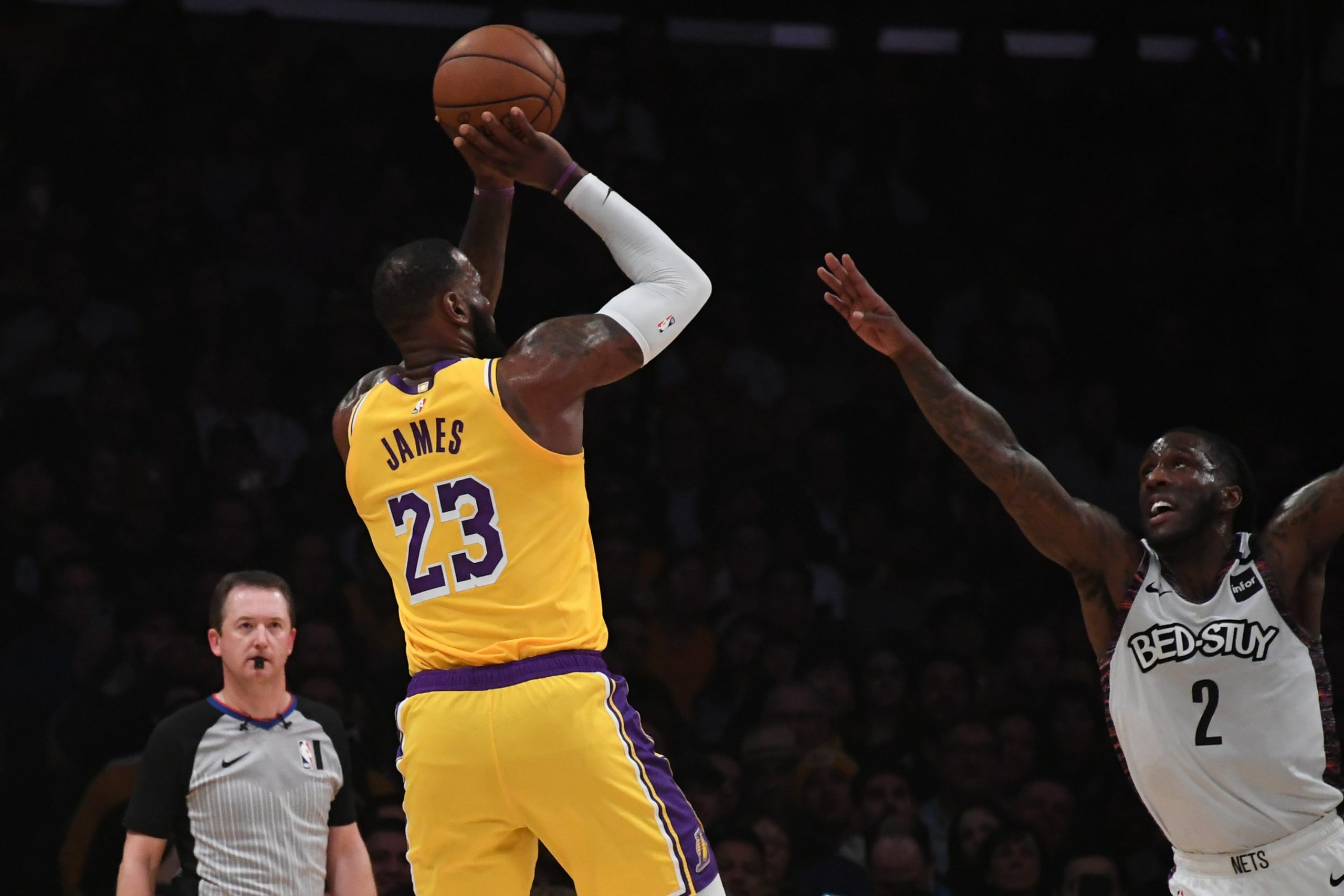

In recent years, a growing contingency within the NBA community have begun to rally around the phenomenal career of LeBron James. Namely, younger fans, who have created an ongoing dialogue comparing James’ career to that of Michael Jordan’s – and whether or not he’s usurped “Black Jesus” as the greatest player to ever grace the hardwood.
Personally, I find that conversation a little more complex than “Jordan or ‘Bron” though. Kareem Abdul-Jabbar equals Jordan’s six rings, but ranks first in all-time career points, third in career blocks, third in career rebounds, and earned more MVP’s than any other player in NBA history. Wilt Chamberlain won the MVP award in his rookie season, owns the record for the most points in a single game, the most points averaged over a single season, the most rebounds in a single game, the most rebounds in a single season… Not to mention seven scoring titles, eleven rebounding titles, four MVP’s, and two championships. For my money though, if I had to choose any one player to assemble my basketball team around from across time, I would undoubtedly take Bill Russell.
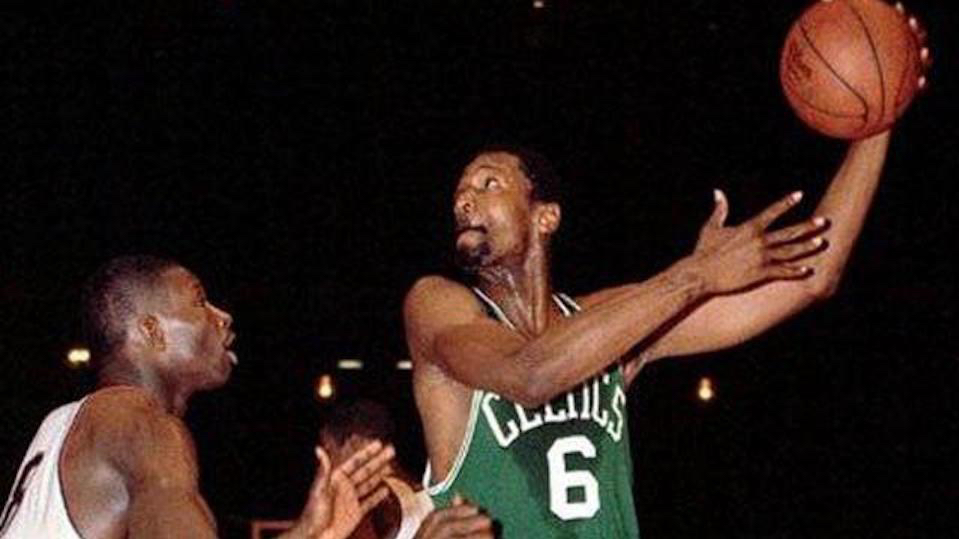
William Felton Russell’s career began in 1956, after dominating on both the collegiate and olympic stages. Winning fifty-five straight games and two National Championships at the University of San Francisco, and then a gold medal with the 1956 Olympic Team in Melbourne. After missing the first twenty-two games of his rookie season due to his olympic exploits, Bill Russell joined a Celtics roster led by famed coach Red Auerbach, that had traditionally been a perennial playoff contender, but unable to make the leap to a bona fide championship contender. A gap that, as modern Celtics fans know all too well, is hard to bridge. Russell rectified that distinction entirely though. While the Celtics’ point guard, Bob Cousy, was the one who ultimately took home MVP honors, Auerbach made it clear who the league’s preeminent star was.
Russell not only revolutionized basketball with his emphasis on defense, but how he turned defensive success into a powerful counterattack. Any distant onlooker or fan, decades removed from Russell’s career can be amazed by his absurd rebounding numbers – or watch a compilation of his best blocked shots(that were actually recorded) and think they understand the essence of Russell. Conversely, they could google the number of Hall of Famers that Russell played with, or his field goal percentages, and lose track of what singularly made him unique. However, I just implore fans to reserve their judgement until they have actually watched full games of the legend. Whether it be his closeout masterpiece against the Royals in 1966 or his magnum opus in Game 7 of the NBA Finals versus the Los angeles Lakers in ‘62. Then, and only then, you can you truly begin to understand all of the subtle attributes of Russell’s game.
Ultimately though, Russell’s greatness is irrefutable at the most basic level in all of sports; success. His five MVP’s and whopping eleven titles are unmatched by any of his peers, including Michael Jordan. However, framed in the right context, those accomplishments are even more impeccable. Russell’s first championship, won at the expense of the St. Louis Hawks in his rookie season, was the Celtics first championship in franchise history. Then, in his final season, he won his eleventh championship after a spectacular game seven, at the expense of the Los Angele Lakers. Extending his record in game sevens to 10-0. In between those two occasions, Russell won nine more championships, including eight straight from 1959 to 1966 — with only one driving force constantly being present. It wasn’t Cousy nor Havlicek, or even their legendary coach Red Auerbach. It was Bill Russell.