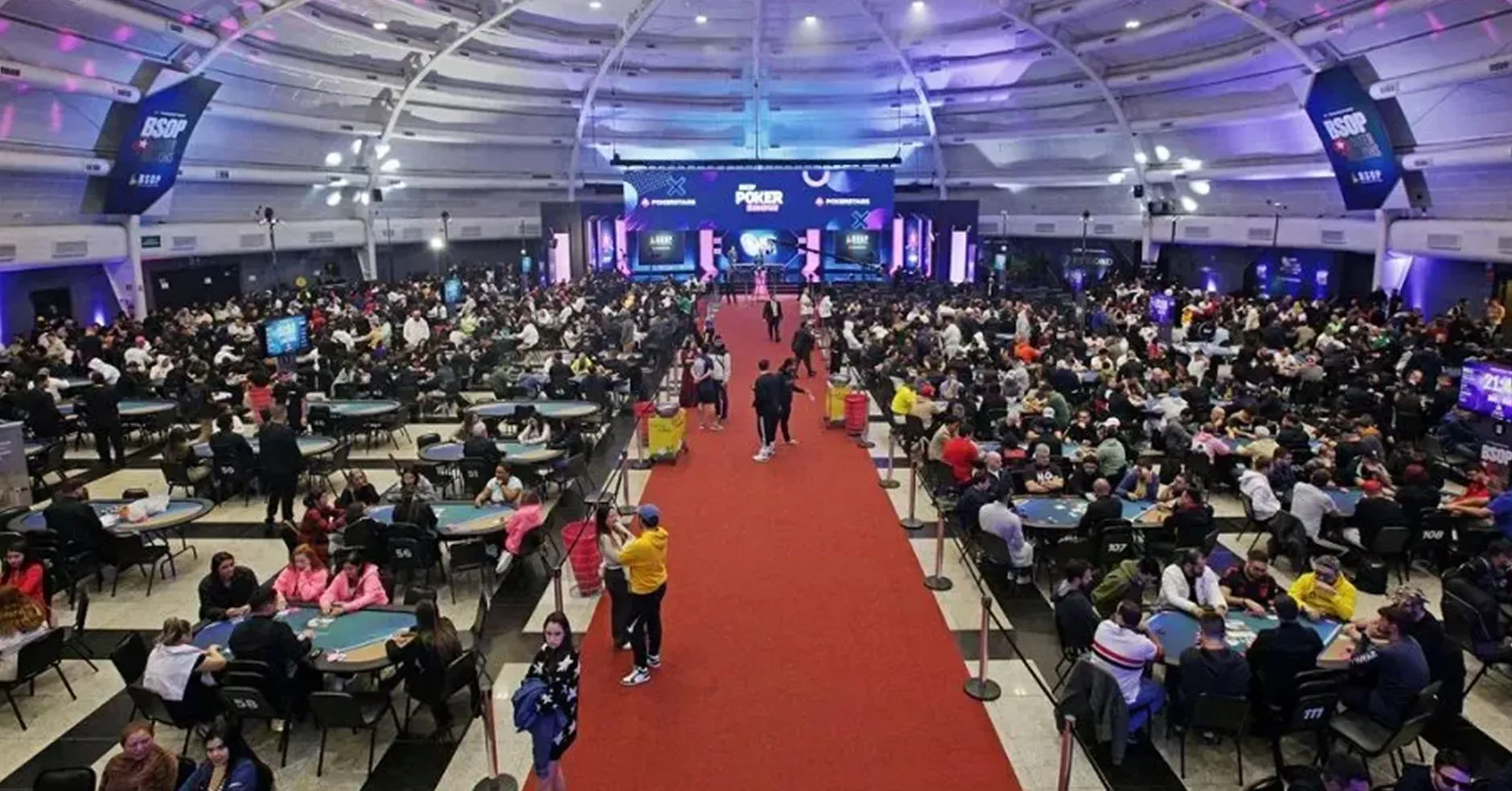

The International Mind Sports Association voted unanimously on November 16, 2024, in São Paulo, Brazil, to grant the World Poker Federation full membership. Poker became the ninth discipline recognized by the organization, joining chess, bridge, Go, draughts, mahjong, and three other strategic games. The vote followed two years of observer status and decades of argument over where poker belongs in the classification of competitive activities. The IMSA’s decision did not settle the argument entirely, but it moved poker out of the gambling-only category and into a framework built around cognitive skill and organized competition.
What the IMSA Recognition Means in Practice
The IMSA was founded in 2005 to promote games that test strategic thinking, mental skill, and decision-making under structured competitive conditions. Membership requires a governing federation, standardized rules, and documented evidence that skill drives outcomes over sufficient sample sizes. The World Poker Federation, which represents over 45 national federations, met all three criteria during its two-year evaluation period.
The recognition does not place poker on a path toward the Olympics. It places poker in the same institutional category as chess and bridge, both of which operate through international federations with national teams and formal competitive calendars. The classification formalizes a distinction between poker and pure games of chance, which is the point the WPF argued from the start. Multiple court rulings in the United States and Germany have reached similar conclusions about skill dominance, but the IMSA vote carries a different kind of weight. It places poker inside an institutional structure rather than a legal one.
How the Brain Processes a Poker Decision
Functional brain imaging studies show heightened activity in regions tied to decision-making, risk evaluation, and social cognition during poker play. A player at a competitive table processes incomplete information continuously. The cards visible on the board provide partial data. The opponent’s betting pattern provides another layer. The player’s own hand strength relative to the range of possible holdings provides a third. All of this runs through working memory simultaneously.
The cognitive load compounds across a long session. A tournament day can run 10 to 12 hours. A player who began the day with sharp probability calculation and disciplined bet sizing may find both degraded by hour 8. The ability to maintain decision quality under that kind of sustained demand is the skill the IMSA evaluated.
Formats That Test Strategic Depth
Competitive mind sports vary in how they structure the information available to players. Chess places every piece in full view. Bridge distributes knowledge between partners. Players who spend time at texas hold’em poker face a format where community cards create shared data while hole cards remain private. That split forces probability assessment and opponent modeling simultaneously.
Omaha adds complexity by dealing 4 hole cards instead of 2. Stud removes community cards entirely. Each variant demands a different cognitive approach, but all fall within the same category of strategic competition.
How Professionals Train Between Tournaments
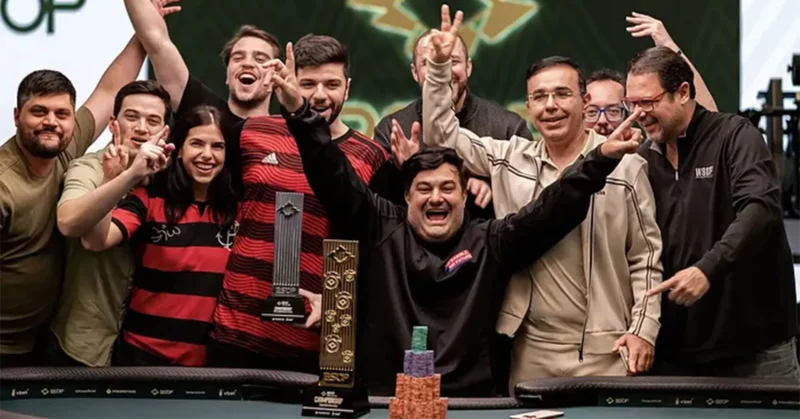
The preparation cycle for competitive poker now resembles the training structure of other recognized mind sports. Players review hand histories from previous sessions and identify decision points where their choices deviated from optimal play. Solver software calculates the mathematically correct action for any given situation based on game theory, and players measure their actual decisions against that standard.
The study is granular. A single hand might produce 15 minutes of analysis. Players categorize their errors by type, track frequency, and adjust their approach for the next session. Coaching programs structure this work into weekly plans with specific focus areas. The process is closer to film study in professional athletics than to casual game review.

The volume of study at the top level is substantial. Players who compete on the international circuit report spending as many hours studying as they do playing. The ratio varies by format and by individual, but the expectation among professionals is that preparation away from the table determines results at it. That expectation did not exist 20 years ago. The professionalization of poker training is one of the factors that supported the WPF’s case for mind sport recognition.
The Physical Side of Mental Competition
Tournament poker demands sustained concentration for periods that exceed most professional athletic events in duration. A single day at the World Series of Poker can run 14 hours. Players who reach a final table may have logged 60 or more hours of competitive play across multiple days before that session begins.
Physical conditioning affects performance at those volumes. Cardiovascular fitness improves blood flow to the brain, which supports sustained attention and working memory function. Exercise reduces cortisol levels, the hormone the body produces under stress. Lower cortisol during a high-pressure hand means steadier decision-making. Players who combine regular cardio with strength training report better focus in the later hours of long sessions. The connection between physical fitness and cognitive endurance applies across all mind sports, but poker’s session lengths make it more pronounced than in chess or bridge, where individual rounds tend to be shorter.
Poker Compared to Other Mind Sports
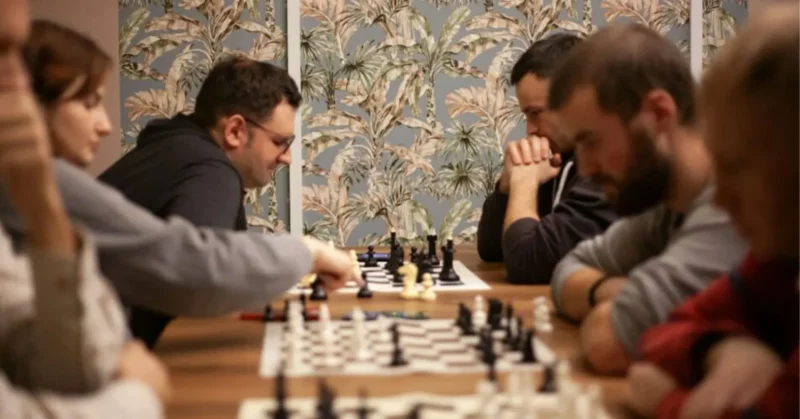
Chess operates with perfect information. Both players see the entire board. The game tests calculation depth, pattern recognition, and long-term planning. Bridge splits information between partners and tests communication, inference, and cooperative strategy. Go tests territorial judgment and reading ability across a board with more possible positions than atoms in the observable universe.
Poker tests something none of those games test in the same way. The hidden information forces players to make decisions based on probability rather than certainty. The betting structure means every decision carries a financial cost, which introduces a pressure variable that board games do not replicate. The randomness of card distribution means that correct decisions can produce losing outcomes in the short term. Over thousands of hands, the skill separation becomes measurable. Winning players win consistently across large samples. The variance smooths out, and the results stratify by ability.
Where the Classification Stands
Poker now holds formal recognition as a mind sport from the IMSA. It operates through a federation that governs 45 national organizations. It follows a competitive calendar with international events, standardized rules, and a ranking system. Players train with the same discipline and structure found in chess and bridge at the highest levels.
The word “sport” still draws objections when applied to poker, mostly because of the gambling component. The money in poker functions as the medium through which competitive decisions are expressed. Bet sizing, raising, and folding are the moves. The financial element is the mechanism of play. A tennis player does not become a gambler because prize money exists. The same logic applies to poker, though the argument will likely continue regardless of how many organizations recognize the game. The IMSA vote formalized what the data already showed. The debate will follow its own timeline.